Any time an accident occurs the result is frightening. The confusion is usually more complicated when an autonomous vehicle is involved. If no one is there to talk to, there might be no explanation or there is no way to determine who was the person responsible for the decision that led to the accident. This uncertainty can be overwhelming for the injured victim.
Autonomous vehicles are created to minimize human error, but accidents still occur. Responsibility doesn’t go away after an accident and it only gets more complex. A self-driving automobile accident lawyer can change the game.
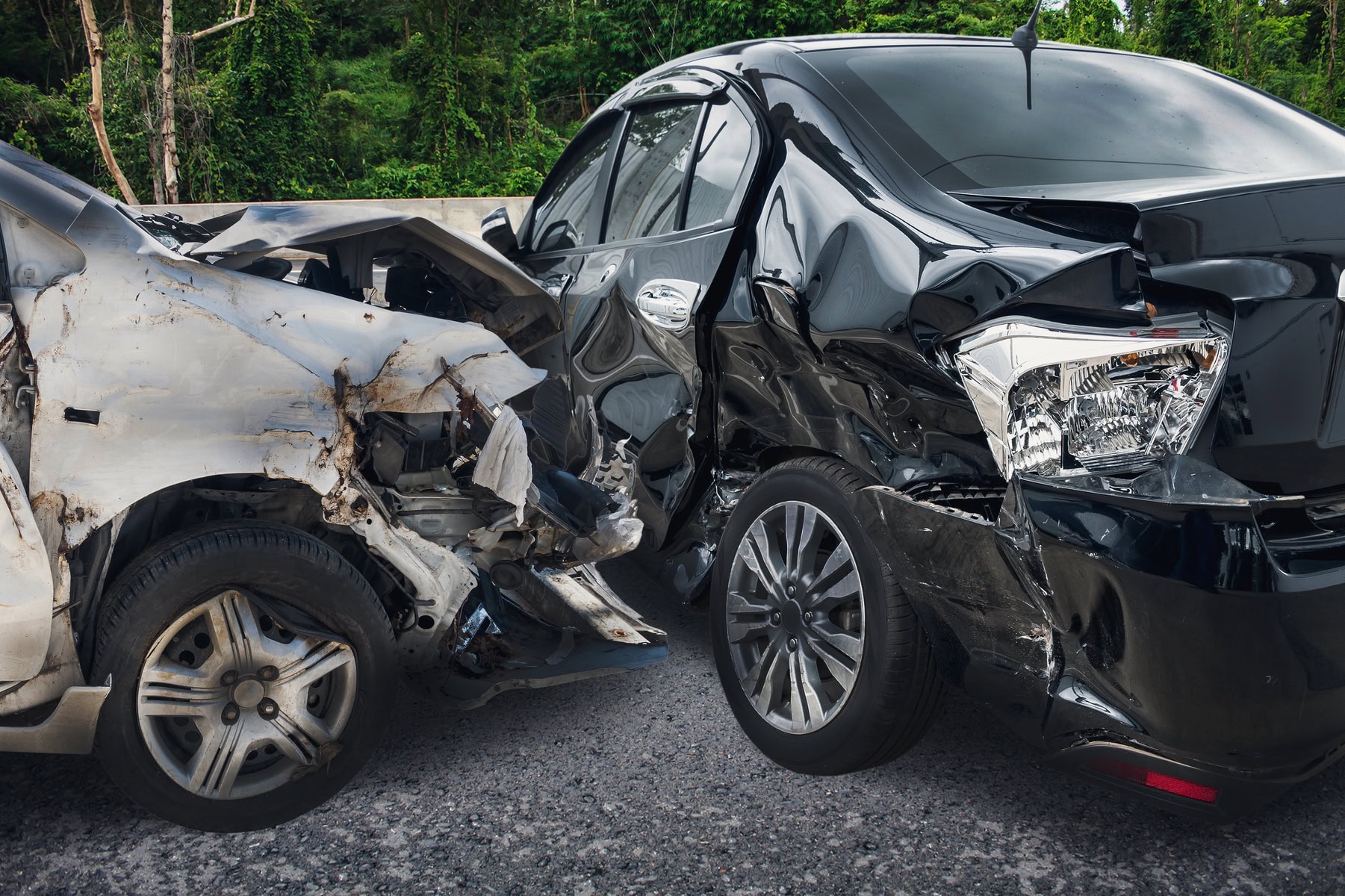
What makes driverless car accidents feel different?
In traditional car accidents most of the time, the fault is due to human actions. Someone was distracted or driving too fast, or did not follow traffic rules. Autonomous vehicles operate differently. Software interprets data from cameras and sensors and mapping systems in real-time, making decisions.
There is no way to challenge the decision of a driverless vehicle in the event of a mishap. Only data can be examined. The victims are often left wondering what happened when no one else was driving? The answer lies in knowing the way that technology, corporate oversight and design of systems interact with each other on the road.
An autonomous driverless car vehicle accident is not just a traffic incident; it is a technology failure with real human consequences.
What’s the responsibility of an autonomous vehicle crash?
Although autonomous vehicles operate without the assistance of a human driver, they are never truly independent. The operation of autonomous vehicles is a complicated procedure that requires multiple parties. The responsibility can be delegated to one or a number of them.
Fleet managers can be held responsible for failure to maintain their vehicles, monitoring their performance or restricting the usage of the vehicle to safe conditions. Manufacturers can be responsible if any hardware issue, like defective brakes or malfunctioning sensors played a role in the accident. Software developers may also be held responsible for programming mistakes, lapses on the system, or faulty reasoning in the making of decisions.
In certain instances there is still oversight by humans. Safety operators or supervisors remotely could be required to intervene if systems are struggling. The failure could also result in liability.
A lawyer with experience in handling accidents involving autonomous vehicles will know how to discover all the possible parties responsible, instead of just settling for what is obvious.
What happens when accidents are investigated
Investigations into autonomous accidents depend heavily on data and not eyewitness testimony alone. The vehicles record precise information like speed, sensor information, detection of objects, alerts and the decision-making process. Digital evidence typically reveals what the vehicle “saw” and how it responded during the time leading up to the crash.
In order to interpret this information, attorneys work together with engineers and accident reconstruction specialists. The aim is to translate data from technical sources into a rationale that explains the issue and the reasons. It takes time but is essential to hold the right individuals accountable.
Corporate and corporate legal teams tend to be involved early on which makes claims more challenging for individuals who have been injured. Without legal guidance, victims may face delays or settlement offers which don’t accurately reflect the full impact of their injuries.
What Legal Experience is Important in Autonomous Vehicles
The laws governing autonomous vehicles are changing, and vary from state to state. An attorney who is knowledgeable about the latest technologies and the latest legal standards can help protect your rights amid a evolving legal landscape.
Legal representation is more than an amount of compensation to victims of an accident that involves an autonomous vehicle that is driverless. It’s all about clarity, accountability, and reassurance in a time of confusion. If victims receive the proper help, they can concentrate on their healing while professionals deal with legal and technical issues.
Autonomous vehicles might be able to drive themselves, but security remains the responsibility to the individuals and businesses that are the driving force behind this technology. Understanding the truth about accidents is the first step to stopping them.