For veterinarian practices, the phones don’t stop being important just because the office closes. Pets fall ill at night and patients panic on weekends, and questions are not answered promptly at the right timings. They are frequently ignored or sent to voicemail. They could also be directed to an answering service who has no knowledge of clinical practice. This can result in frustration from pet owners and stress for the veterinarians waiting on call.
After-hours communication is a crucial part of the veterinary industry. A solid answering service for veterinary practices can do more than just answer the phone. It safeguards the relationship with clients, assists pet owners to the best next step, and reduces the stress of staff. In the modern veterinary setting the availability of after-hours assistance isn’t only a benefit. It’s an integral part of how a practice provides continuity of care.
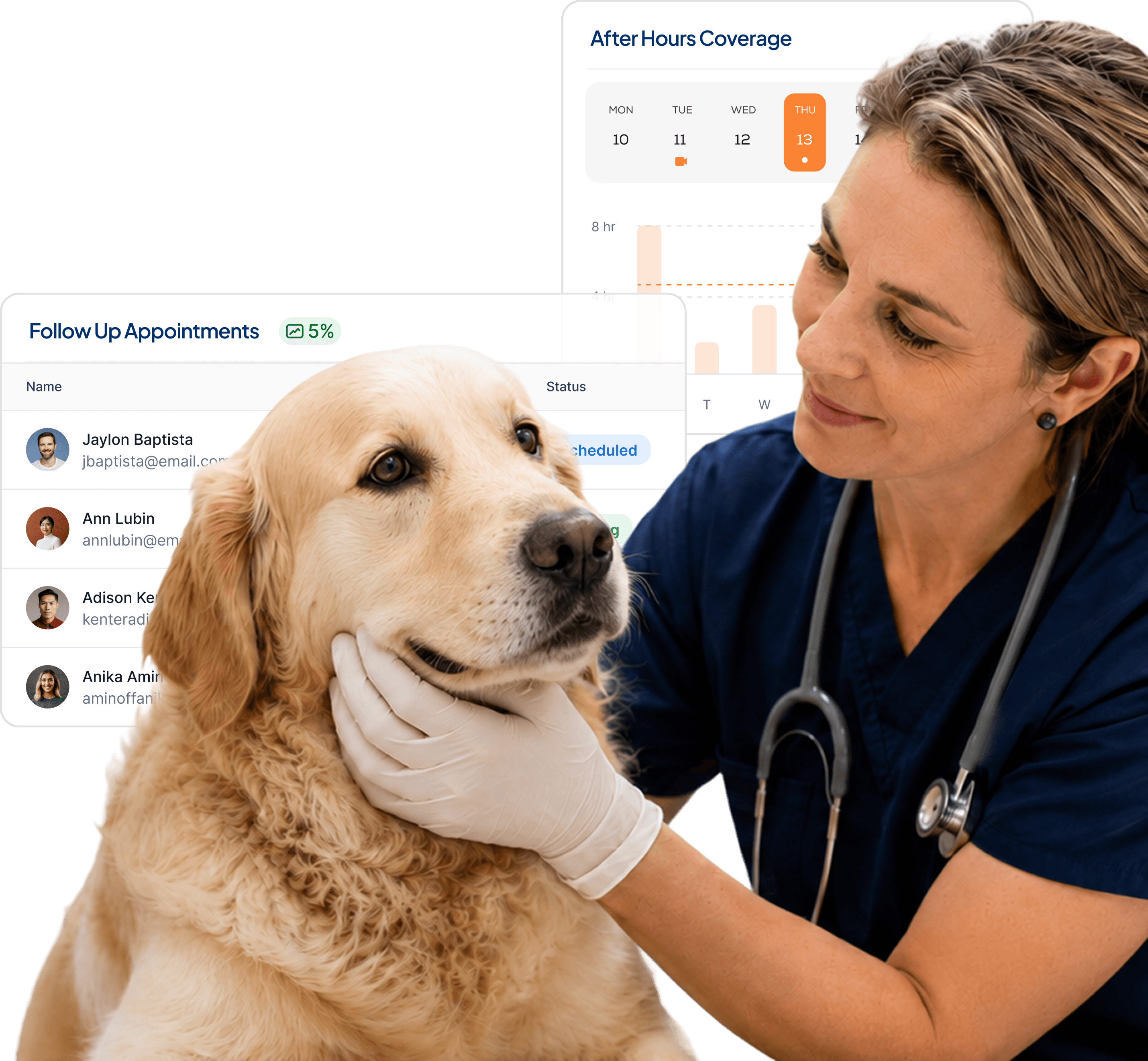
Image credit: guardianvets.com
Every answering system is not specifically designed for veterinary medicine.
There’s a big distinction between an answering service that caters to vet hospitals as opposed to a general service. In a vet setting late-night calls aren’t always straightforward. Clients may be concerned about toxins, post-surgical problems breathing changes, vomiting or even if their pet requires emergency medical attention. These scenarios require more than sending messages. It requires a steady, calm and judicious communication and organization from someone who understands the veterinary workflow and understands urgency.
This is the place where GuardianVets sets itself apart. Instead of operating as a call center GuardianVets is a veterinary support partner and is staffed by a Credentialed Vet Technologist. That distinction matters. A trained technician can assess the nature of the call, follow the clinic’s triage and escalation protocols, help the pet owner understand the level of urgency, and direct them toward the right next step without stepping outside the boundaries of the veterinary-client-patient relationship.
A veterinary triage service aids all people make better choices
A real veterinary triage system will give clarity in stressful times. Pet owners rarely know if a situation is one that can be delayed until the morning, when they should set up a follow-up or require urgent medical attention immediately. Many people are left in the dark, and are forced to seek out an emergency clinic unnecessarily or delay seeking care.
It assists in closing this gap. It gives pet owners an experienced person to talk to, reduces confusion, and assists practices to ensure that urgent situations are dealt with properly while concerns that are not urgently required are documented and properly routed. This keeps vets from getting interrupted by cases that do not need doctor-level intervention after hours. It could be a huge aid in creating a better work-life-balance, especially at hospitals where doctors need to handle both duties of the clinical as well as on-call.
Call centers for veterinary practices should be able to work alongside your existing workflows and not against them
A modern veterinary call center should not operate as a disconnected service sitting outside your practice. It should function as an extension of your team. This means that it must comprehend your preferences in communicating and rules for appointments, emergency protocol, escalation routes, and protocols. Integrating with your existing PIMS will allow you to integrate notes on triage calls, call records, and results of scheduling within the same system your team utilizes.
GuardianVets is based on that idea. They analyze the coverage gaps, chart the ways that clients communicate and create workflows that reflect the reality of the situation, rather than making it rigid format. This is a significant contrast to the traditional answering service, which typically does not even begin to capture messages before handing it over to the clinic.
In addition to convenience, it is enhanced by better after-hours coverage
A reliable veterinary answering system after hours does more than simply reduce the number of missed calls. It helps maintain customer confidence in stressful situations as well as keep more clients within your practice network when necessary and provide your team with the ability to manage after-hours demands. It can also boost profits by turning weekend or overnight inquiries into scheduled appointments rather than wasted opportunities.
Most importantly, it reassures pet owners that someone knowledgeable is available when they need assistance. In veterinary medicine this kind of support is vital since most calls after hours do not simply involve logistical issues. They also have emotional. They are emotionally charged.
Hospitals who want to improve the quality of care for their clients and team wellbeing, GuardianVets offers a model that goes beyond the standard answering service for veterinary patients. The service combines clinical triage, workflow integration and compassionate communication it allows practices to be there for their patients even when the clinic is closed.