The month is now over. The sales were great, the P&L showed a profit and there was no sign of anything to be terribly off.
Then, you should check the bank account of the restaurant.
The number isn’t the one you’d expected.
Restaurant owners can find this disconnect frustrating, as they believe that profits and cash flow should be identical. Both of them don’t match up. A P&L examines the performance of the business’s finances over a certain period of time, while an account in a bank shows the actual timing of money flowing into and out of the company.
Understanding the difference can alter the way an owner is looking at the restaurant’s financials.
Have a look at what goes on in a typical week. Customers pay for meals. It is important to pay employees. You will receive invoices with meals and beverages delivered. Rent is getting closer. Credit card deposits are also timed. Sales tax is an obligation.
The buying for next week has already started.
If you only look at revenues or the final profit, then you will overlook a significant portion of this action.
Prime Cost Could Hold the Key to the Answer
Food, beverages and labor costs merit a closer look when restaurant profitability starts to decrease.
Cost of sales combined with labor is the prime cost. Bookkeeping Chef’s guidelines place the cost of goods sold at 60% to 65 percent for a wide range of restaurants and emphasizes monitoring on a weekly basis rather than waiting until the end the month.
It is much more crucial for you to recognize changes earlier than worrying about the exact percentage.
Suppose the restaurant normally performs within its targets however, this week’s rate rises. Maybe overtime also increased. Maybe beverage costs were stable while food costs jumped. A higher percentage of food could make the supervisor think about reviewing buying, waste, menu mix, portions or vendor invoices.
The percentage raises a concern. The activities that underlie the restaurant provide the answer.
Weekly reports allow for this discussion to occur while everyone is still aware of the events that have occurred.
A few weeks later After that, the details become harder to decipher.
When the vendor bills arrive
A restaurant may purchase ingredients this week, but then pay for them later. It’s because of this timing that understanding profits alone can not address all cash issues.
Vendor invoices must be received and logged. This can be an enormous task for an operation that has many suppliers.
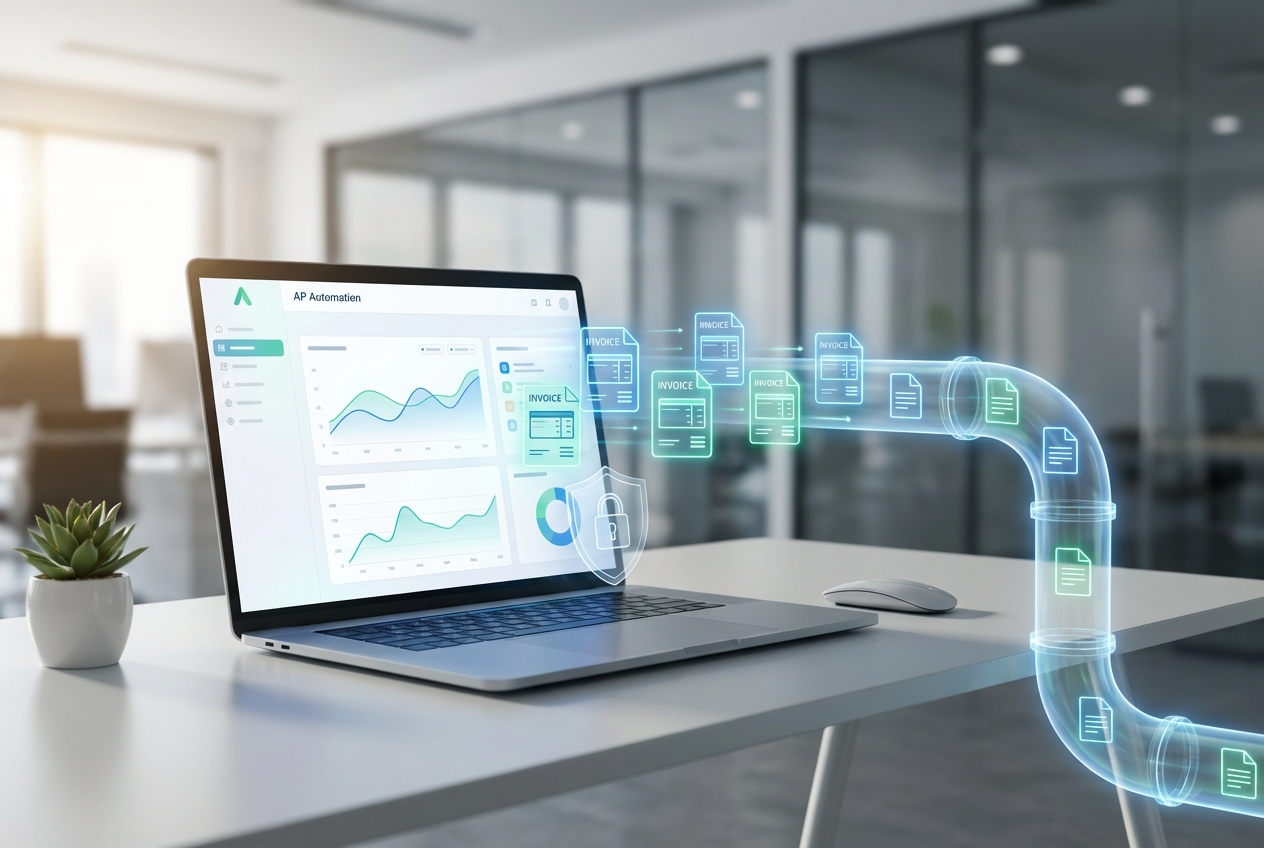
Accounts payable automation helps organize this process by reducing repetitive handling of bills and payment information. Bookkeeping systems that are connected can give the owner a clearer picture of debts which haven’t yet deposited into the account of the bank.
It’s beneficial because, when viewed as a whole, the bank balance of a restaurant may appear to be more stable than its actual financial situation.
There could be a possibility that you’ve got $80,000 in your account as of right now. This number can be different if it is impacted by other factors such as rent as well as payroll, vendors and other obligations in the coming days.
Cash flow forecasting is a normal outcome.
The most appropriate question to ask yourself is “What happens to our funds after we receive the money and have fulfilled our obligations we’ve made?”
This distinction is crucial when deciding on which is the appropriate week to make an extra purchase, replace equipment, or preserve liquidity.
A portion of the Cash Wasn’t Really Yours
Sales tax illustrates the point especially well.
Restaurants get money from customers, which they have to then handle according to the tax requirements. If these funds are combined with normal cash flow, the bank balance may be misleading about the amount of cash available.
Consistent records help restaurants comply with sales tax regulations while also providing management a complete picture of their finances.
It’s for this reason that restaurant accounting is more efficient when financial responsibilities don’t are separated from other responsibilities.
Prime cost affects margin. COGS (cost of products sold) and future payments are impacted by the purchases made by vendors. Payroll affects both the labor and cash percentage. Cash flow is impacted by the sales tax. P&Ls are used to record financial performance. Forecasting can also be useful for managers.
Connect the pieces.
Bookkeeping Chef utilizes restaurant-specific reporting as well as system integrations to bring those pieces together. Bookkeeping outsourcing can be beneficial to users who don’t want to be tasked with reconciling their financial records.
The final part is crucial.
Restaurant owners should not stop reading the books, even if they’re managed by someone else. Owners should receive information that helps them be aware of what’s happening.
If the P&L indicates that the restaurant is earning money however, the balance in the bank feels unbalanced, don’t assume that the P&L could be wrong.
Ask what happened between them.
This question will tell you more about your business than any other number.